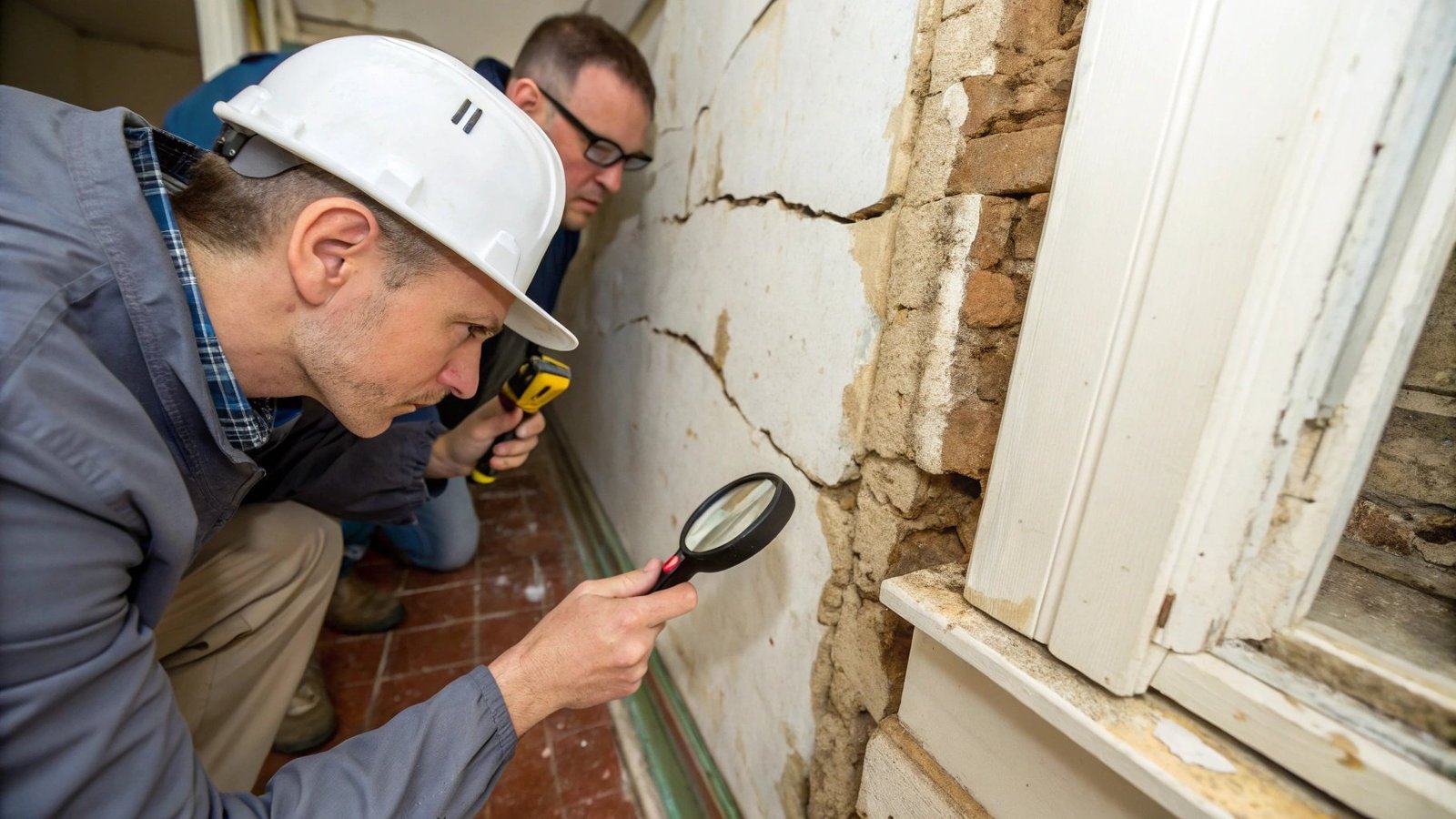
After conducting hundreds of property surveys throughout Wakefield and West Yorkshire, our RICS surveyors have identified recurring issues that affect homes across the region. Understanding these common defects helps property buyers make informed decisions and negotiate fairly when purchasing properties in Wakefield. This comprehensive guide reveals the ten most frequent problems we discover during building surveys and what they mean for your property purchase.
Why Property Defects Matter in Wakefield
Wakefield and the surrounding West Yorkshire area feature a diverse mix of property types - from Victorian terraces built in the 1800s to modern developments constructed in the last decade. Each property type comes with characteristic issues, and our building surveyors have developed deep expertise in identifying problems specific to Wakefield properties.
Property defects aren't just cosmetic concerns. They can significantly affect your property's value, your safety, and the cost of ownership. A thorough Level 2 or Level 3 building survey from our RICS surveyors reveals these issues before you commit to purchase, giving you the knowledge needed to make informed property decisions throughout Yorkshire.
1. Rising Damp and Moisture Problems
Rising damp is the most common issue our surveyors find in Wakefield properties, particularly in older buildings constructed before modern damp-proof courses became standard. Properties built before 1920 throughout Wakefield are especially susceptible to this problem.
What Causes Rising Damp?
Rising damp occurs when groundwater moves up through porous building materials like brick and stone through capillary action. Many older properties in central Wakefield and surrounding areas were built without effective damp-proof courses, or their original DPCs have failed over time. The heavy clay soils common throughout West Yorkshire can exacerbate moisture problems, making rising damp particularly prevalent in the Wakefield area.
Signs Our Surveyors Look For
During property surveys in Wakefield, our chartered surveyors use moisture meters and thermal imaging to detect damp problems. Visible signs include tide marks on walls (typically up to one meter high), peeling paint or wallpaper, white salt deposits on internal walls, and a musty smell. Black mold growth and rotting skirting boards are also common indicators we document in survey reports.
Cost Implications
Treatment costs vary depending on severity, but property owners in Wakefield should budget £1,500-£5,000 for proper damp-proof course installation and replastering. Ignoring rising damp leads to structural timber decay, increased heating costs, and health issues from mold spores.
2. Roof Issues and Water Ingress
Roof problems rank as the second most common defect in our Wakefield building surveys. The Yorkshire weather - with heavy rainfall and occasional snow - takes a toll on roofing materials, particularly in older properties throughout Wakefield and West Yorkshire.
Common Roof Problems
Our RICS building surveyors regularly find slipped or missing roof tiles, worn or cracked ridge tiles, damaged flashing around chimneys, and deteriorating felt underlays. Many properties in Wakefield feature traditional slate roofs that can last 100+ years, but individual slates become porous or crack over time, allowing water penetration.
Why Roof Condition Matters
Water ingress through roof defects causes significant damage to timber roof structures, ceiling plasterwork, and insulation. In severe cases throughout Wakefield properties, we've seen roof leaks lead to wet rot in rafters, requiring extensive and expensive repairs. Early detection during a property survey saves thousands of pounds in future repair costs.
Repair Costs
Minor repairs like replacing individual tiles or repointing ridge tiles might cost £500-£1,500. However, comprehensive roof replacement for a typical Wakefield terraced house ranges from £5,000-£15,000 depending on size and materials used.
3. Subsidence and Structural Movement
Structural movement affects properties throughout Wakefield, though it's important to distinguish between minor settlement (normal in older buildings) and active subsidence (a serious defect requiring urgent attention). Our experienced chartered surveyors assess cracks carefully to determine their severity and cause.
Causes of Subsidence in Wakefield
Several factors contribute to subsidence in West Yorkshire properties. Clay soils shrink during dry periods and expand when wet, causing foundation movement. Tree roots extracting moisture from clay soils near properties can lead to settlement. Former mining activity in parts of the Wakefield area occasionally causes ground movement, though this is relatively rare in recent decades.
Warning Signs
During Level 3 building surveys in Wakefield, our surveyors look for diagonal cracks wider than 3mm, cracks wider at the top than bottom, cracks near doors and windows, and doors or windows sticking. We also check for rippling in walls and extensions pulling away from main buildings - all indicators of potential subsidence.
Addressing Subsidence
Minor cracks from historical settlement may only need monitoring and cosmetic repair. Active subsidence requires underpinning, costing £10,000-£50,000+ depending on property size. Insurance companies often cover subsidence repairs, but properties with subsidence history may face higher premiums or coverage limitations.
4. Electrical System Issues
Outdated or unsafe electrical installations are surprisingly common in Wakefield properties, particularly in homes that haven't been rewired in the past 30-40 years. Our property surveys regularly identify electrical systems that don't meet current safety standards throughout West Yorkshire.
Common Electrical Problems
Old-style fuse boxes without modern circuit breakers (RCD protection) are prevalent in older Wakefield homes. We also find insufficient power outlets leading to dangerous overuse of extension leads, outdated wiring materials that become brittle over time, and absence of electrical safety certificates proving the installation meets regulations.
Why This Matters
Faulty electrical systems pose serious fire risks. Properties throughout Wakefield with electrical installations over 30 years old should be tested by qualified electricians. Modern regulations require RCD protection and proper earthing - protections often absent in older systems.
Rewiring Costs
Complete rewiring of a typical Wakefield terraced house costs £3,000-£6,000. While expensive, this investment ensures safety and may be required by mortgage lenders or insurance companies. Our chartered surveyors always recommend electrical testing certificates during property purchases in Yorkshire.
5. Window and Door Problems
Window condition significantly affects property value, energy efficiency, and security. Many older properties throughout Wakefield retain original single-glazed windows that, while characterful, perform poorly compared to modern alternatives.
Issues We Identify
Rotten timber window frames are extremely common in properties built before 1990 throughout Wakefield. We also find failed double glazing seals causing condensation between panes, draughty windows increasing heating costs, broken sash cords in traditional windows, and inadequate security features on older windows and doors.
Repair or Replace?
Original timber windows in period properties throughout Wakefield can often be repaired and upgraded rather than replaced, maintaining character while improving performance. However, extensively rotted frames typically require replacement. Our building surveyors provide clear recommendations in survey reports.
Investment Required
Repairing and draught-proofing original windows costs £500-£1,500 per window. Complete replacement with modern double glazing ranges from £800-£1,500 per window for standard sizes. A full house window replacement in Wakefield typically costs £5,000-£15,000.
6. Inadequate Insulation
Poor insulation is endemic in older Wakefield properties, leading to high heating bills and uncomfortable living conditions. Many homes built before 1980 throughout West Yorkshire lack adequate loft or cavity wall insulation, wasting energy and money.
Insulation Deficiencies
During property surveys, our RICS surveyors check insulation levels. We commonly find insufficient loft insulation (current standards recommend 270mm depth), empty cavity walls in properties built between 1920-1980, solid wall properties with no insulation, and uninsulated floors causing heat loss.
Impact on Property
Poor insulation means higher heating bills - potentially hundreds of pounds extra annually for Wakefield homeowners. Cold spots encourage condensation and mold growth. Properties with poor energy efficiency ratings may prove harder to sell or rent in Yorkshire's increasingly eco-conscious property market.
Improvement Costs and Grants
Loft insulation is relatively inexpensive at £300-£500 for a typical Wakefield home. Cavity wall insulation costs £500-£1,500. Solid wall insulation (external or internal) is more expensive at £4,000-£14,000. Government grants and schemes sometimes help with insulation costs for eligible Wakefield homeowners.
7. Drainage and Guttering Problems
Faulty gutters and drainage systems cause significant problems for properties throughout Wakefield and West Yorkshire. Water management is crucial in our wet Yorkshire climate, and our chartered surveyors pay careful attention to drainage during property surveys.
Common Drainage Issues
Blocked or damaged gutters are extremely common in Wakefield properties. We also find downpipes that discharge too close to building foundations, cracked or collapsed underground drains, poor surface water drainage causing standing water, and combined drainage systems (where surface water and sewage share pipes) that become overwhelmed during heavy rain.
Consequences of Poor Drainage
Overflowing gutters saturate walls, leading to damp penetration and erosion of mortar joints. Water pooling near foundations can cause subsidence in clay soils common throughout West Yorkshire. Blocked drains create unpleasant smells and potential health hazards.
Repair Investments
Cleaning and repairing gutters costs £200-£600. Complete gutter replacement for a Wakefield terraced house runs £800-£1,500. Drainage repairs vary significantly - simple blockage clearance might cost £100-£300, while replacing damaged underground drains can cost £1,000-£5,000+ depending on access and extent of damage.
8. Cavity Wall Tie Corrosion
This hidden defect affects thousands of properties built between 1920-1980 throughout Wakefield and West Yorkshire. Cavity wall ties connect inner and outer brick walls, but original metal ties corrode over time, causing serious structural problems.
How Corrosion Occurs
Older cavity wall ties were made from mild steel or iron, which corrodes when exposed to moisture. As ties rust, they expand, causing horizontal cracking in mortar joints. Eventually, corroded ties lose strength, compromising wall stability. This problem is particularly common in properties exposed to Yorkshire's damp climate.
Detection During Surveys
Our experienced building surveyors look for horizontal cracks in mortar beds at regular intervals (typically every 450mm vertically), bulging brickwork, and vertical cracks near wall ties. We recommend further specialist investigation if corrosion is suspected during surveys of Wakefield properties.
Remedial Costs
Wall tie replacement involves installing new stainless steel ties and cutting out corroded ones. For a typical Wakefield semi-detached property, costs range from £2,000-£5,000. While expensive, this work is essential for structural integrity and may be required for mortgage approval.
9. Chimney and Pointing Deterioration
Many properties throughout Wakefield retain original chimneys, even if fireplaces are no longer used. Chimney condition often deteriorates over time, creating both structural and safety concerns that our chartered surveyors document during building surveys.
Typical Chimney Problems
Eroding mortar pointing is extremely common in older Wakefield properties. We also find leaning chimney stacks requiring stabilization, cracked chimney pots, inadequate flashing causing water penetration, and missing or damaged chimney cowls allowing rain and wildlife entry.
Why Chimneys Matter
Unstable chimneys pose serious safety risks - falling masonry can cause injury or property damage. Water penetration through chimney defects leads to damp problems in upper floors and ceiling staining. Even unused chimneys require maintenance to prevent deterioration affecting the property structure.
Repair and Maintenance
Repointing chimney stacks costs £500-£1,500 depending on height and access. Chimney repairs including flashing replacement and pot repairs range from £800-£2,000. Serious structural issues requiring rebuilding or removal cost £2,000-£5,000+ for Wakefield properties.
10. Asbestos Presence
Asbestos-containing materials remain present in many properties built or renovated before 2000 throughout Wakefield and West Yorkshire. While not immediately dangerous if undisturbed, asbestos requires professional handling and can complicate property renovations.
Where Asbestos Hides
Our property surveyors commonly find asbestos in Artex textured ceilings (popular in 1970s-1980s), cement roof sheets in garages and outbuildings, old floor tiles and backing, pipe insulation in older heating systems, and garage roofing throughout Wakefield properties.
Managing Asbestos Risk
Asbestos in good condition and undisturbed poses minimal risk. However, any renovation work disturbing asbestos requires professional removal by licensed contractors. Our building survey reports identify suspected asbestos materials, recommending testing and appropriate management.
Removal Costs
Asbestos testing costs £50-£100 per sample. Professional removal varies significantly based on material type and amount - small-scale removal (like Artex ceiling) might cost £500-£2,000, while extensive removal can reach £5,000-£10,000+ for Wakefield properties.
How Our Property Surveys Protect You
Understanding these common defects demonstrates why professional property surveys are essential when buying homes in Wakefield or throughout West Yorkshire. Our RICS building surveyors don't just identify problems - we explain their significance, estimate repair costs, and advise on priorities.
What Happens During Your Survey
Our experienced surveyors spend 2-4 hours thoroughly inspecting properties in Wakefield. We examine all accessible areas, use specialist equipment to detect hidden problems, photograph defects for your report, and assess the overall condition of building elements. Within 5-7 working days, you receive a comprehensive report detailing all findings.
Making Informed Decisions
Armed with survey information, Wakefield property buyers can negotiate prices fairly, plan renovation budgets accurately, avoid problem properties, and proceed with confidence knowing exactly what they're purchasing. Many clients throughout Yorkshire tell us their survey saved them from expensive mistakes or helped negotiate thousands off the asking price.
Choosing the Right Survey Type
For standard properties in reasonable condition throughout Wakefield, a Level 2 home survey typically suffices. However, if your property exhibits any of these common defects, or is older than 100 years, our chartered surveyors recommend a comprehensive Level 3 building survey for detailed investigation.
Don't risk buying a Wakefield property without understanding its condition. These ten common defects appear regularly in our surveys, and professional inspection ensures you're fully informed before making one of life's biggest financial commitments.
Conclusion: Knowledge is Protection
Property defects are common throughout Wakefield and West Yorkshire, but they don't have to derail your property purchase. Understanding typical problems helps you evaluate properties realistically and make informed decisions. Our RICS surveyors provide the expert assessment you need to buy with confidence.
Whether you're purchasing a Victorian terrace in central Wakefield, a 1930s semi in Sandal, or a modern townhouse in Castleford, professional property surveys reveal the truth about building condition. Contact Wakefield Surveyors UK today to arrange your property survey and ensure you're making a sound investment in the Yorkshire property market.
Concerned About Property Defects in Your Wakefield Home?
Our RICS surveyors provide thorough building surveys throughout Wakefield and West Yorkshire. We identify defects, explain their significance, and advise on appropriate action.
Book Your Survey Our Services