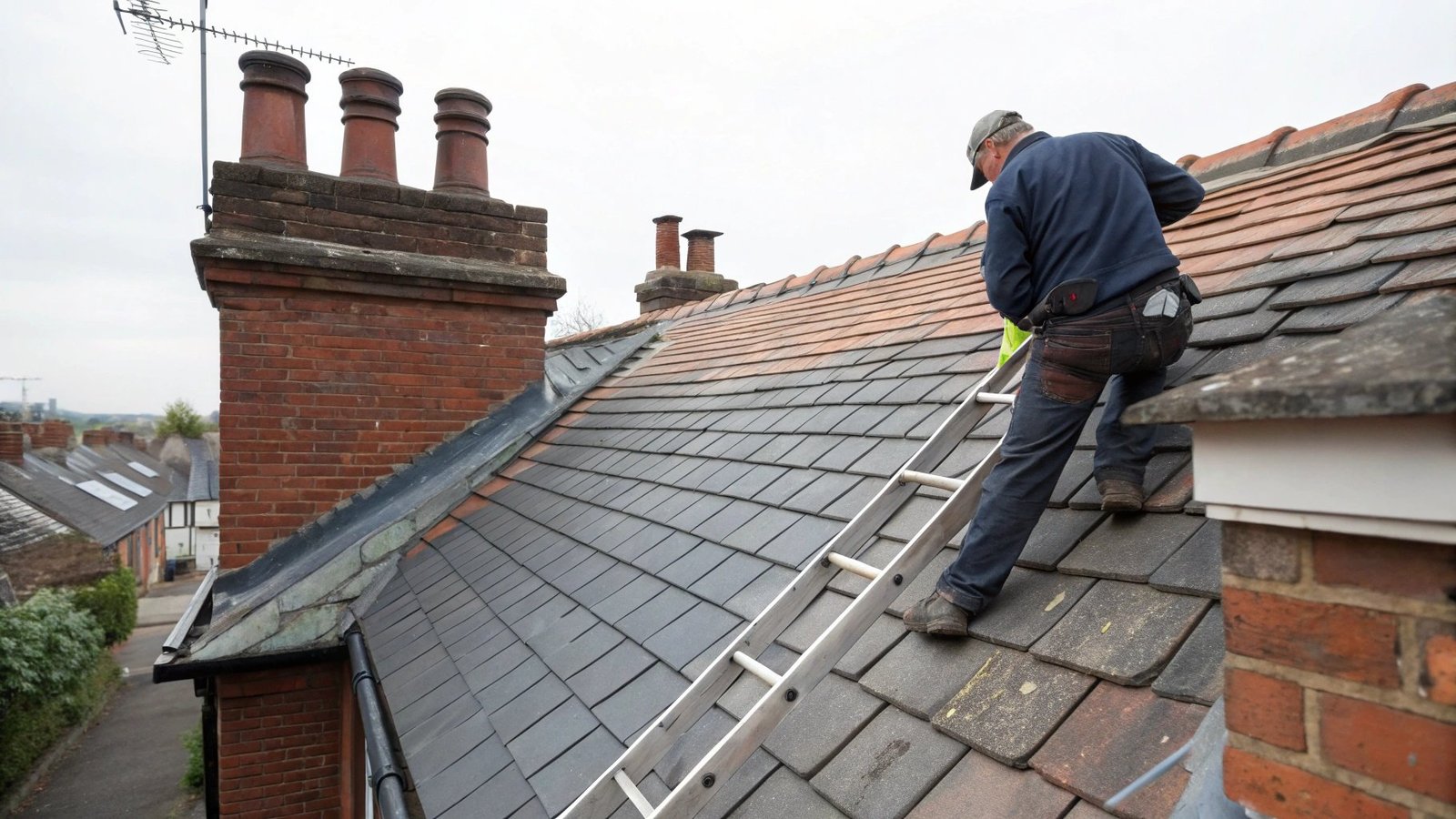
When it comes to property purchases in Wakefield and West Yorkshire, few elements are more critical—or potentially more expensive—than the roof and structural condition of a building. At Wakefield Surveyors UK, our RICS building surveyors conduct thorough roof and structural inspections daily, identifying issues that could cost property buyers tens of thousands of pounds if undetected. Understanding what these surveys involve and why they're essential helps you make informed property decisions throughout the Wakefield area.
Why Roof and Structural Surveys Matter
The roof is your property's primary defense against Yorkshire weather, while the structural integrity of walls, floors, and foundations ensures the building remains safe and habitable. Problems with either can be catastrophically expensive to remedy—roof replacements commonly cost £8,000-£15,000 for typical Wakefield terraced properties, while major structural repairs can exceed £30,000.
During property viewings, roof and structural condition are rarely apparent. Ceilings hide roof problems, decorative finishes conceal structural issues, and serious defects may only be visible from roof level or in concealed spaces. This is why professional building surveys conducted by experienced surveyors are essential for protecting your property investment in Wakefield and throughout West Yorkshire.
Roof Types Common in Wakefield Properties
Pitched Roofs with Traditional Coverings
The vast majority of properties in Wakefield feature pitched (sloping) roofs, typically covered with clay tiles, concrete tiles, or natural Yorkshire stone slates. Each roof type has characteristic issues that our surveyors in Wakefield identify during property inspections.
Yorkshire stone slate roofs—common on older properties in areas like Sandal and Horbury—are durable but heavy, potentially causing structural stress on aging timber frames. Individual slates can slip or crack, and deteriorating mortar bedding requires periodic maintenance. Our building surveyors carefully assess stone slate roofs, identifying defects and estimating remaining lifespan during property surveys throughout West Yorkshire.
Clay tiles offer excellent longevity but become brittle with age. Cracked or slipped tiles are common findings in our building surveys of Victorian and Edwardian properties in the Wakefield area. Concrete tiles, popular from the 1950s onwards, are more affordable but have shorter lifespans than clay alternatives—typically 40-60 years compared to 60-100+ years for quality clay tiles.
Flat and Low-Pitch Roofs
Flat roofs appear on many Wakefield properties—often on single-storey extensions, garages, and some post-war houses. Despite the name, flat roofs actually have minimal pitch for water drainage. These roofs typically use felt, EPDM rubber, or fibreglass membranes, all requiring eventual replacement.
Through our survey services in Wakefield, we frequently identify aging flat roofs nearing the end of serviceable life. Felt roofs often last only 10-20 years, while modern EPDM and fibreglass systems can exceed 30 years. Visual inspection from ground level rarely reveals flat roof condition accurately, which is why our surveyors use ladders, drones, or other access methods to inspect these vulnerable elements directly.
What Roof Surveys Include
External Roof Inspection
During Level 3 building surveys in Wakefield, our RICS surveyors conduct close-range roof inspections wherever safely possible. This typically involves using extended ladders to access roof level, allowing direct examination of roof coverings, pointing, flashings, and architectural details.
We assess condition of roof tiles or slates, identifying cracks, slips, and missing elements; mortar pointing on ridges and verges, which commonly deteriorates on older properties; lead or zinc flashings around chimneys and wall junctions; valleys and gutters where water runoff concentrates; chimney stack condition above roof level; and verge details at roof edges. For properties where direct access would be dangerous or impractical, we use professional survey drones to obtain high-resolution images revealing roof condition in exceptional detail.
Internal Roof Space Inspection
Equally important is inspection of roof spaces (lofts) where we can examine roof structure from inside. This reveals issues invisible from outside including roof timber condition, assessing for rot, insect infestation, or structural inadequacy; roof covering underside, showing previous leaks or current moisture penetration; insulation type, thickness, and condition; roof structure adequacy and any amateur alterations; ventilation provision preventing condensation; and services within roof spaces (electrical installations, water tanks, etc.).
Many properties in the Wakefield area have roof spaces altered by previous owners—unauthorized loft conversions, modified roof structures, or removed supporting timbers being common discoveries during our building surveys. Our building surveyors identify these alterations and assess whether they compromise structural integrity or building regulations compliance.
Structural Survey Components
Foundation and Substructure Assessment
Foundations are rarely directly visible, but our experienced surveyors in Wakefield identify signs of foundation problems through systematic inspection. We look for cracks in walls indicating movement, windows and doors sticking or binding from structural shift, floor levels varying across properties, visible settlement or subsidence, and stepping in brickwork mortar joints.
Parts of Wakefield have mining history, creating potential subsidence risks that our surveyors understand through local knowledge and experience. We assess whether observed movement represents historic settlement (stabilized and acceptable) or active problems requiring investigation by structural engineers.
Wall Structure Inspection
Walls carry roof loads to foundations and resist lateral forces from wind and ground conditions. Our building surveys in Wakefield carefully examine external and internal walls for solid wall construction quality in Victorian/Edwardian properties, cavity wall condition in post-1920s buildings, structural adequacy and load paths, damp penetration affecting structural timbers, and signs of movement, bulging, or bowing.
Terraced properties—common throughout Wakefield—share structural walls (party walls) with neighboring properties. Problems can affect multiple properties, and alterations by neighbours may have unintended consequences for your property. Our RICS surveyors assess party wall condition and identify issues requiring consideration.
Floor Structure Assessment
Floor construction varies by property age and type. Victorian terraced properties typically have suspended timber ground floors (joists spanning sleeper walls over ventilated voids), while post-war houses often have solid concrete ground floors. Upper floors are almost always timber joist construction.
During property surveys throughout West Yorkshire, we assess floor structures for level and alignment (detecting structural movement or inadequate support), bounce or springiness indicating undersized or deteriorating joists, rot in timber elements (particularly ground floors subject to rising damp), structural alterations (removed walls that provided joist support), and load-bearing capacity for intended use.
Common Roof Issues in Wakefield Properties
Aging Roof Coverings
Roof coverings have finite lifespans, and many Wakefield properties have roofs approaching replacement. Our building surveyors estimate remaining roof life based on current condition, helping buyers budget for eventual replacement. Signs of aging roofs include extensive cracking or delamination of tiles, widespread slipped or missing tiles, deteriorated mortar bedding, and brittle or degraded roof coverings that would not survive maintenance work.
When surveying properties in areas like Lupset, Stanley, or Outwood, we frequently identify 40-50 year old concrete tile roofs nearing end-of-life. While functioning adequately now, these roofs require replacement within 5-10 years—significant information for property purchase negotiations.
Water Penetration and Leaks
Water ingress is among the most common and damaging issues affecting Wakefield properties. Our RICS surveys identify past and current water penetration through staining on ceilings and upper walls, timber decay in roof structures, deteriorated flashings around chimneys and wall junctions, valley gutter failures, and inadequate or damaged roof coverings.
Water damage is particularly concerning because it can remain hidden within roof structures and wall cavities, causing extensive rot before becoming visually apparent. Our surveyors use moisture meters and thermal imaging cameras to detect concealed moisture, revealing problems that visual inspection alone might miss.
Structural Timber Decay
Roof timbers in older Wakefield properties—particularly Victorian terraced houses—may suffer from wet rot or dry rot where water penetration has occurred. During building surveys, we inspect accessible roof timbers using tools to test soundness, looking for soft, spongy wood indicating decay; fungal growth characteristic of rot; insect infestation (woodworm); and structural adequacy of deteriorated timbers.
Minor timber decay can often be remedied through localized repairs, but extensive rot may require major reconstruction. Our survey reports clearly distinguish between different severities of timber problems, helping buyers understand implications and costs.
Common Structural Issues in Wakefield Properties
Settlement and Subsidence
Many older properties in Wakefield show signs of historic settlement—the gradual compression of foundations and supporting ground that occurs naturally over decades. Our building surveyors distinguish between old, stable settlement (requiring monitoring but not immediate concern) and active subsidence or structural movement requiring urgent investigation.
Signs of problematic movement include progressive cracking (new or widening cracks), stepped cracks in brickwork following mortar joints, diagonal cracks running through brickwork, doors and windows recently becoming difficult to operate, and tilting or leaning walls. West Yorkshire's varied geology and mining history means subsidence risks vary significantly across the Wakefield area—our local knowledge helps assess these location-specific issues.
Chimney Stack Problems
Chimney stacks tower above roofs, exposed to extreme weather and often suffering from deferred maintenance. During property surveys in Wakefield, we regularly identify defective pointing allowing water penetration, cracking from thermal stress or settlement, leaning or movement from inadequate foundations, corroded chimney pots and flaunching, and inadequate flashing at roof junctions causing leaks.
Many chimneys in the Wakefield area are no longer used for their original purpose, leading to neglect. However, they remain structural elements requiring maintenance. Our RICS building surveyors assess chimney condition and advise on necessary repairs or consideration of removal if stacks are unstable.
Lintel Failures and Wall Openings
Lintels support masonry above windows and doors, carrying loads to adjacent walls. In older Wakefield properties, original stone or timber lintels may be failing from age, water damage, or excessive loading. Modern steel or concrete lintels can corrode if inadequately protected.
Signs of lintel problems include cracks above window or door openings, sagging or dropping lintels visible internally, spalling brickwork above openings, and windows or doors binding from distorted openings. Our surveyors identify these issues during building surveys, assessing severity and recommending appropriate remedial works.
Advanced Roof and Structural Survey Methods
Drone Roof Surveys
At Wakefield Surveyors UK, we use professional survey drones to inspect roofs safely and comprehensively. High-resolution aerial photography captures roof condition in exceptional detail, revealing defects invisible from ground level or even from ladders. This technology is particularly valuable for large properties, steep roofs, or buildings where ladder access would be dangerous.
Drone surveys provide permanent photographic records documenting roof condition at time of survey, supporting future maintenance planning and insurance claims if damage occurs subsequently.
Structural Engineers and Specialist Investigation
When our RICS building surveys identify significant structural concerns, we recommend further investigation by structural engineers. These specialists conduct detailed analysis using sophisticated techniques: crack monitoring over time to determine if movement is active, trial pits revealing foundation depth and condition, structural calculations assessing load-bearing adequacy, and detailed remedial design when repairs are needed.
Our surveyors in Wakefield work collaboratively with structural engineers, providing initial assessment that identifies when specialist input is warranted and coordinating investigations on behalf of clients.
Roof and Structural Maintenance for Wakefield Properties
Preventative Maintenance Approaches
Many expensive roof and structural problems are preventable through regular maintenance. Our building survey reports include maintenance recommendations helping property owners protect their investments: annual roof inspections checking for slipped tiles or developing issues, gutter cleaning preventing water overflow damaging walls, timely repointing of chimneys and mortar joints, prompt repair of minor defects before they become major problems, and vegetation management preventing tree root damage to foundations.
For properties in the Wakefield area, we provide realistic maintenance schedules and budgeting guidance based on property age, condition, and construction type.
When to Consider Roof Replacement
Roofs don't last forever, and attempting to maintain failing roofs beyond economic life becomes increasingly futile. Our surveyors advise buyers and homeowners when roof replacement should be planned, considering extensive tile failure affecting large roof areas, structural timber decay requiring major reconstruction, roof coverings too brittle for maintenance work, and approaching end of expected lifespan for roof type.
Modern roof replacement on typical Wakefield terraced properties typically costs £8,000-£12,000 for re-tiling, potentially more for stone slate roofs or properties requiring structural timber renewal. Our survey reports provide realistic cost estimates helping clients budget appropriately.
Roof and Structural Surveys for Different Property Types
Victorian and Edwardian Terraced Properties
These properties dominate Wakefield's housing stock and have characteristic roof and structural considerations. Our surveyors in Wakefield assess suspended timber floor condition (often affected by inadequate ventilation or rising damp), roof timber adequacy and decay, original stone slate or clay tile roofs, shared party walls and their condition, and historic settlement patterns common to this construction type.
Post-War and Modern Properties
More recent construction uses different techniques and materials, creating different survey considerations: concrete tile roofs with known lifespan limitations, trussed rafter roof construction (different structural behaviour from traditional cut roofs), cavity wall construction with potential tie corrosion issues, solid concrete floors eliminating some issues but creating others, and generally less settlement but potentially more thermal movement cracking.
The Cost of Roof and Structural Repairs
Typical Repair Costs in Wakefield
Understanding potential repair costs helps buyers evaluate properties realistically. Based on our extensive experience throughout West Yorkshire, typical costs include: minor roof repairs (a few slipped tiles) £300-£800; repointing chimney stack £600-£1,500; replacing roof valley £800-£2,000; replacing flat roof (domestic extension) £1,500-£4,000; complete roof re-covering £8,000-£15,000; structural underpinning £10,000-£30,000+; and major structural repairs £15,000-£50,000+.
These costs vary based on property size, access difficulties, material choices, and specific circumstances. Our survey reports provide realistic estimates for identified repairs, helping you make informed property purchase decisions.
FAQs About Roof and Structural Surveys
Can surveyors see everything wrong with roofs and structure?
Our RICS building surveys provide comprehensive assessment of accessible elements. However, some limitations exist—we cannot see beneath floor coverings, behind fixed units, or within concealed wall cavities without destructive investigation. We clearly identify limitations in survey reports and recommend further investigation when warranted. Despite these inherent limitations, professional building surveys conducted by experienced building surveyors identify the vast majority of significant defects.
What if the survey finds serious roof or structural problems?
Serious defects identified during surveys provide opportunities to renegotiate purchase prices, request repairs before completion, or withdraw from purchases if problems are too extensive. Our surveyors provide repair cost estimates helping you negotiate from an informed position. Many apparent "problems" have straightforward solutions—our property advice helps you understand which issues are serious concerns and which are manageable maintenance matters.
Do I need a structural engineer as well as a surveyor?
For most property purchases in Wakefield, comprehensive building surveys from RICS surveyors provide sufficient assessment. We recommend structural engineers only when surveys identify significant structural concerns requiring specialist investigation. If structural engineering input is needed, we coordinate these investigations and interpret findings for clients, ensuring you receive complete professional advice.
How do surveyors access roofs safely?
Our building surveyors use appropriate access methods based on property characteristics and safety considerations. This includes professionally-maintained extending ladders for most pitched roofs, access towers for flat roofs requiring prolonged inspection, professional survey drones for properties where physical access is unsafe, and binoculars and cameras for preliminary assessment before deciding access requirements.
Should I be present during the roof inspection?
You're welcome to observe property surveys, though most clients prefer to await written reports. Roof inspections involve working at height and require concentration—surveyors cannot provide detailed commentary while conducting technical inspections. However, we're happy to discuss findings after inspections are complete and provide detailed explanations in survey reports.
How long do roofs typically last in Wakefield properties?
Roof lifespan varies by material and maintenance history. Quality clay tiles can exceed 100 years with maintenance, Yorkshire stone slates often last 80-100+ years, concrete tiles typically manage 40-60 years, and modern flat roof membranes last 15-30+ years depending on type. Through our survey work throughout Wakefield and West Yorkshire, we assess remaining roof life based on current condition and maintenance history.
Professional Roof and Structural Surveys from Wakefield Surveyors UK
Roof and structural condition fundamentally affect property value, safety, and ongoing maintenance costs. These critical elements deserve thorough professional assessment by qualified RICS building surveyors with the experience, equipment, and local knowledge to identify problems and provide sound property advice.
At Wakefield Surveyors UK, our comprehensive building surveys include detailed roof and structural inspections conducted by experienced surveyors who understand the specific characteristics and common issues affecting properties throughout Wakefield and West Yorkshire. We use appropriate technology—drones, moisture meters, thermal imaging—to enhance inspection accuracy, and we present findings clearly in detailed survey reports that inform confident property decisions.
Whether you're purchasing a Victorian terraced property in Wakefield city centre, a family home in Horbury or Ossett, or any property type throughout West Yorkshire, our RICS building surveyors provide the thorough roof and structural assessment that protects your property investment. Contact us today to arrange your professional building survey in Wakefield.